How to Choose a Longboard
Two boards can both measure 9'4" and surf nothing alike. Nose width, rocker, rail shape, glassing weight and centre fin depth decide whether a longboard trims and holds on the nose or turns hard off the tail. This guide pulls the published sizing numbers from surf shop and shaper guides into one place, then shows which numbers actually change how the board feels under your feet. Southern hemisphere winter swells and northern summer flat spells both push riders toward more length, so it is a sensible time of year to add glide to the quiver.
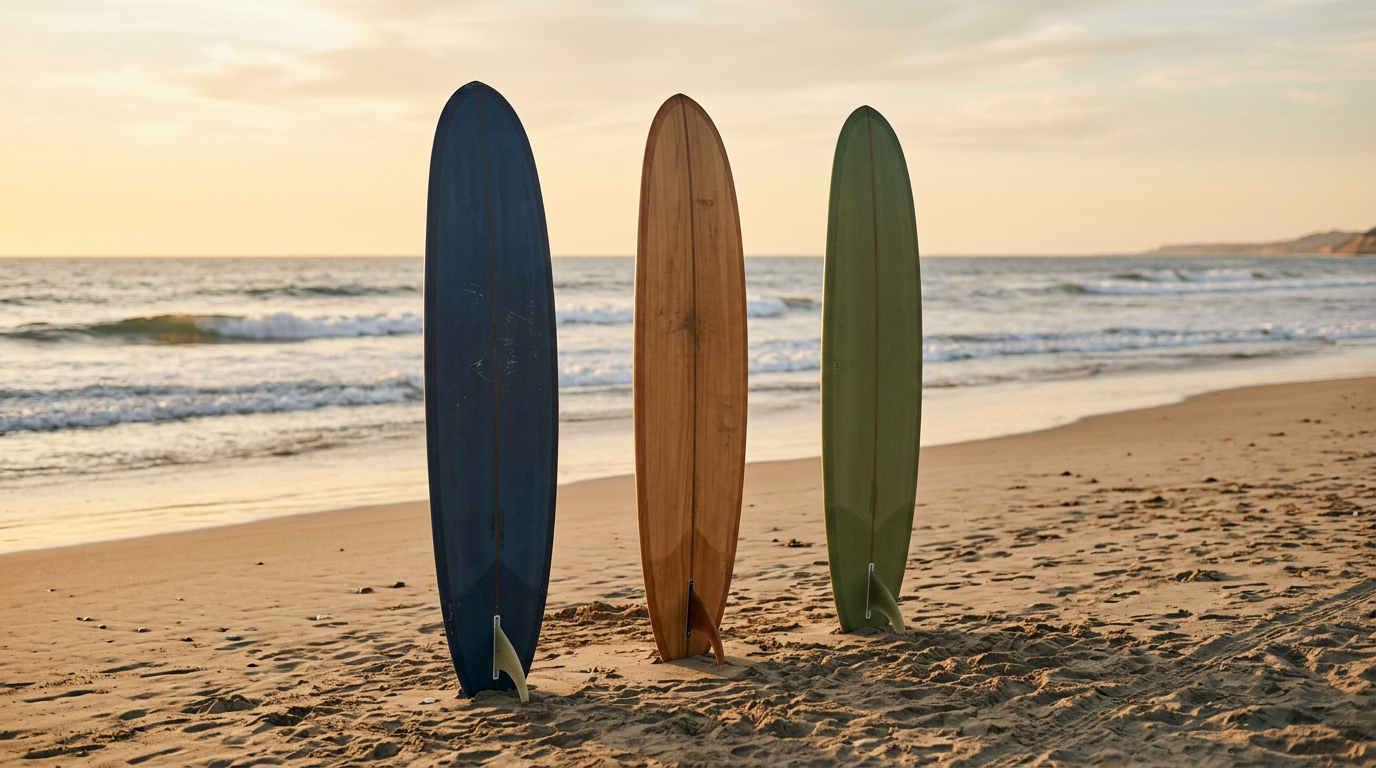
Surfex is an aggregator. Every number on this page comes from a published guide that is linked in the sources section, and every board score comes from ratings collected across retailers and editorial outlets.
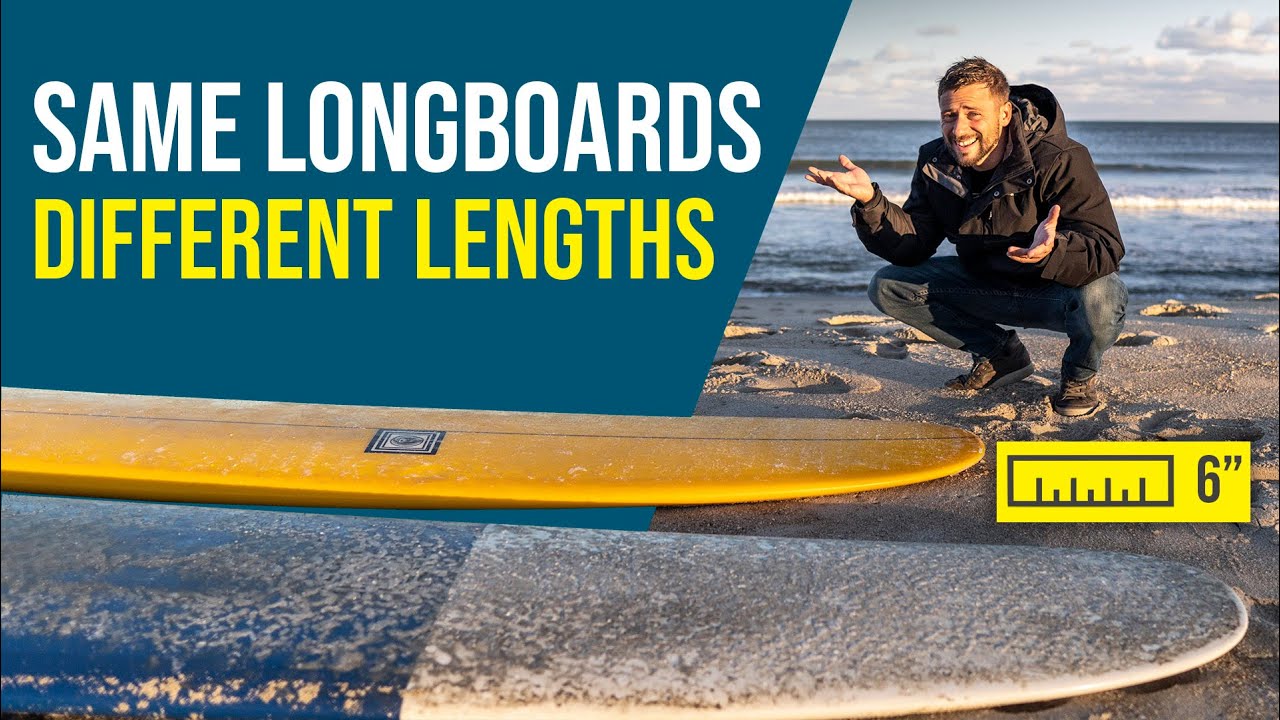
ISLE Surf & SUP sets a beginner longboard at roughly 9'4" by 23", narrowing to 22.5" for lighter riders and widening to 23.5" for heavier ones, at 15 to 17 pounds. Surfers coming from a shortboard are told to skip 9'0" and 9'2" and start at 9'6", because shorter longboards give up the glide that made the board worth buying.
Width is the number most people ignore. An extra half inch through the middle adds stability for cross-stepping without changing length, which is why two riders of very different weight can share the same 9'4" length and need different boards.
Start with the wave, not the board
Real Watersports frames the decision around wave type before anything else, and that order holds up. Slow, rolling point and beach waves reward length, flat rocker and volume because the board has to generate its own speed through soft sections. Steeper, faster waves reward a pulled outline that can be set on rail early.
Write down the three waves you surf most, then pick the board that works in two of them. A quiver of one board tuned for a wave you surf twice a year is the most common longboard buying mistake.
Length, width and weight
The published sizing advice is consistent. A first longboard sits near 9'4" by 23", and riders who weigh more go wider rather than longer. Board weight matters as much as dimensions: 15 to 17 pounds gives a longboard the momentum to carry through flat sections, which is exactly what you want when the swell drops.
If you already ride a shortboard, resist the urge to buy the shortest longboard you can find. The 9'0" to 9'2" range feels like a compromise in both directions. Compare the numbers against our surfboard volume calculator before you commit, because volume is the figure that decides whether the board floats you at rest.
Log or performance outline
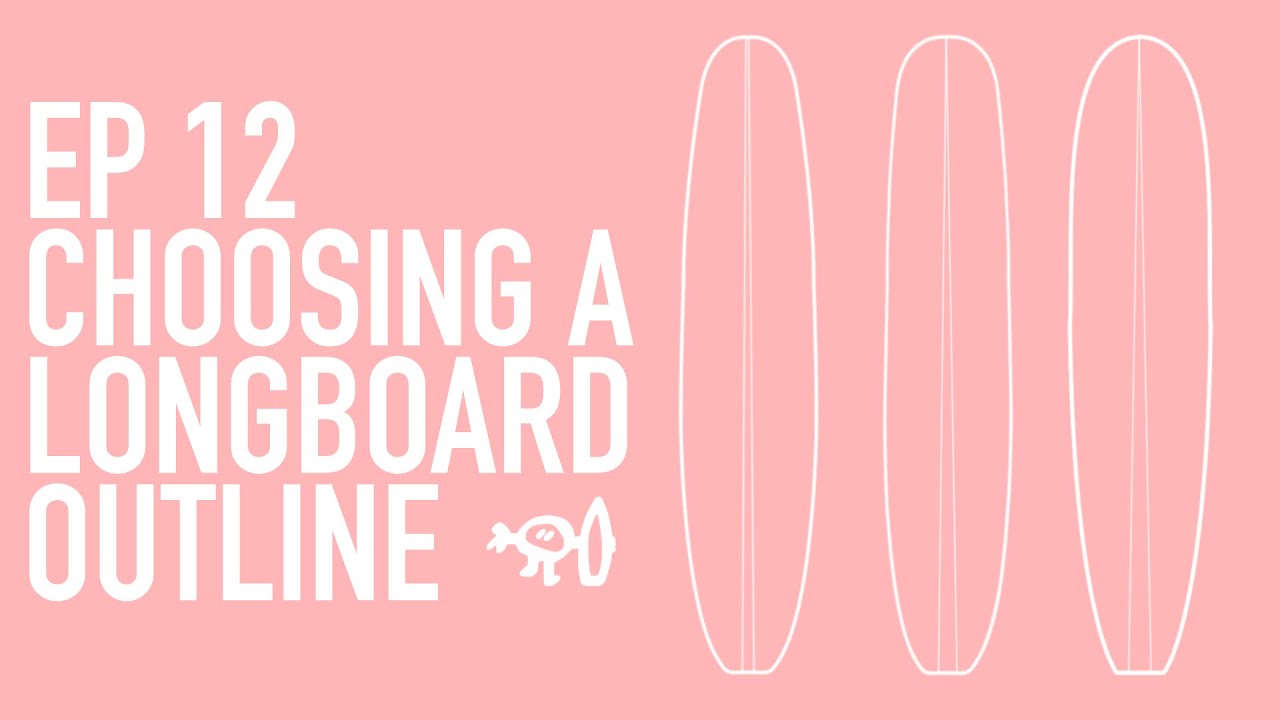
Zeus Surf splits longboards by rocker, rail shape and tail width. A log runs a wide round nose, low rocker and 50/50 rails, so it holds trim and lets you walk forward. Boards like the Thomas Surfboards Wizl and the McTavish Original sit in that tradition.
A performance longboard narrows both ends, adds rocker and usually runs a 2+1 or thruster setup, which is what lets the Harley Ingleby HI4 be turned off the tail. If neither extreme fits, a mid-length such as the Channel Islands CI Mid gives glide without asking you to relearn how you surf. Browse the full longboard category to compare outlines side by side, and read the McTavish and Harley Ingleby brand pages for how each shaper approaches the shape.
Single fin against 2+1
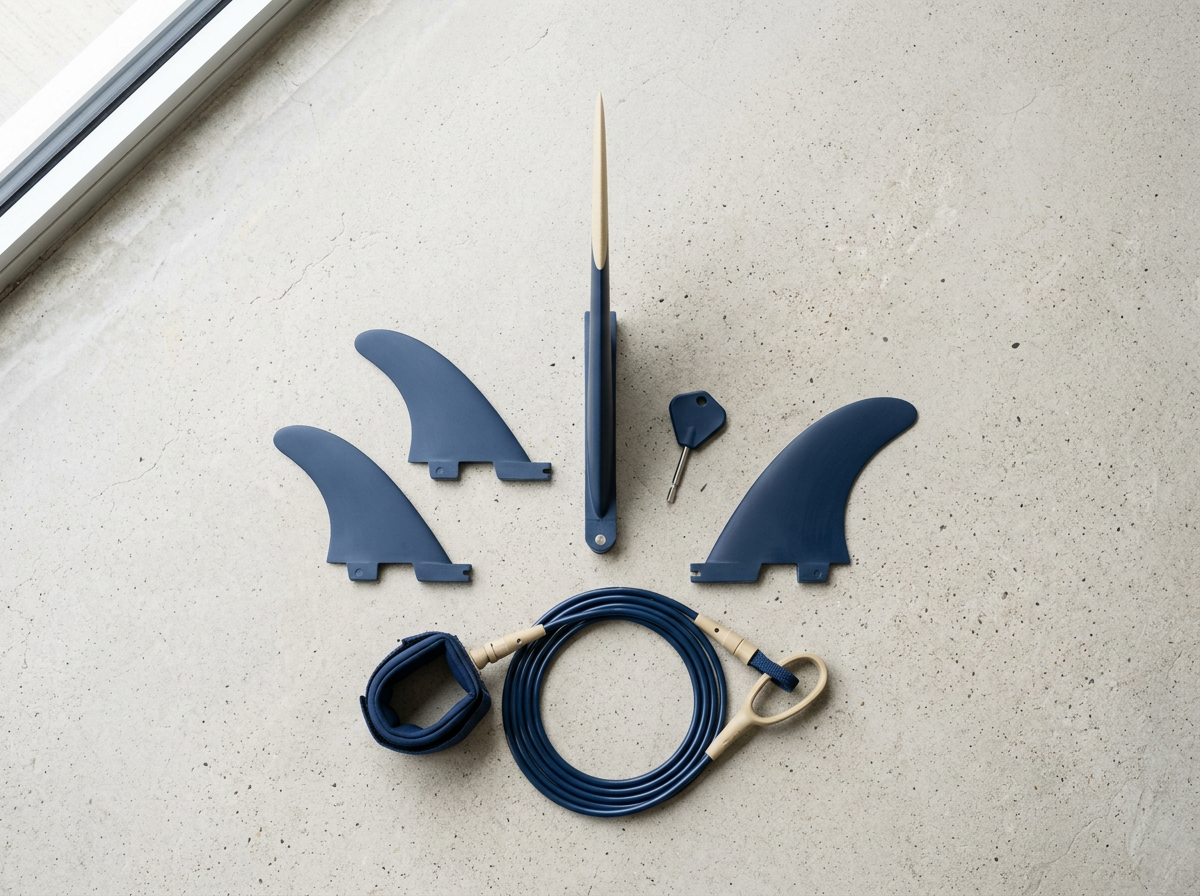
Surf Technique lays the comparison out plainly. A single fin pivots from the tail and rewards trim, cross-stepping and long nose rides. Adding two side bites gives drive out of turns and hold when the face steepens, at the cost of some pivot. Many longboards ship with side boxes you can leave empty, so you can ride both setups on the same board and decide from the water rather than the shop floor.
Fin depth is the cheapest way to change how a longboard feels. Eveley Surf matches 8.5 to 9.25 inch fins to boards from 8'6" to 9'0", 9 to 9.75 inches to boards from 9'1" to 9'6", and 9.75 inches and up to boards from 9'7" out. Sliding the fin 10 to 20 mm back in the box adds hold for noseriding; the same movement forward loosens the tail. Our surfboard fin guide covers templates and materials in more depth, and the fins category lists what current models score.
Construction and glassing
Polyurethane with heavier glass gives the classic log feel: momentum through flat water and a board that stays settled in the trim line. Epoxy and EPS builds are lighter and livelier, which suits a performance outline and anyone carrying a board any distance. Neither is better in the abstract. Match the build to the outline you picked, then check the glassing weight before you pay, because it changes the ride more than the graphics do.
Mistakes worth avoiding
- Buying the shortest longboard available, then wondering where the glide went.
- Running a noserider fin on a performance board, which locks the tail and kills turning.
- Ignoring width. Half an inch through the middle changes stability more than two inches of length.
- Choosing a heavy log for a crowded, shifty beach break where you cannot get out the back.
- Skipping a knee-cuff leash, which is standard on longer boards for a reason.
Longboards reviewed on Surfex
Aggregate scores collected from retailer and editorial ratings, shown on a 10 point scale.
| Board | Category | Aggregate score |
|---|---|---|
| Thomas Surfboards Harrison | Traditional log outline | 9.5 |
| Thomas Surfboards Wizl | Noserider | 9.5 |
| Harley Ingleby HI4 | High performance | 9.4 |
| McTavish Involvement | All-round | 9.3 |
| Channel Islands CI Mid | Mid-length | 9.2 |
| Lost Crowd Killer | Performance longboard | 9.0 |
Sources
| Source | What it contributes |
|---|---|
| ISLE Surf & SUP — What Size Longboard Should I Get? | Puts a first longboard at roughly 9'4" long and 23" wide, 22.5" for lighter riders and 23.5" for heavier ones, weighing 15 to 17 pounds. |
| Eveley Surf — Longboard Fin Size Guide | Maps centre fin depth to board length and rider weight, and shows how moving a fin 10 to 20 mm in the box changes hold and turning. |
| Surf Technique — Single Fin vs 2+1 Longboards | Compares the pure pivot feel of a single fin against the extra drive and hold that two side bites add on steeper faces. |
| Zeus Surf — Longboard Surfing: How to Choose Your Board | Separates classic logs from performance longboards by rocker, rail shape and tail width rather than by length alone. |
| Real Watersports — How To Choose A Longboard | Frames the choice around wave type first, with softer, slower point and beach waves rewarding more length and volume. |
Video guides

Related reading
FAQ
What size longboard should I get?
ISLE Surf & SUP puts a first longboard near 9'4" long and 23" wide, dropping to about 22.5" wide for lighter riders and going to 23.5" for heavier ones. Shortboarders adding a longboard are told to avoid 9'0" and 9'2", because those lengths give up the glide that makes a longboard worth owning. A 9'6" board is the usual starting point there.
What is the difference between a log and a performance longboard?
A log runs a wide round nose, low rocker and 50/50 rails, and it is built to trim and hold on the nose. A performance longboard narrows the nose and tail, adds rocker and usually runs a 2+1 or thruster setup so it can be turned off the tail. Zeus Surf separates the two by rocker, rail shape and tail width rather than by length.
What size centre fin does a longboard need?
Eveley Surf matches fin depth to board length: 8.5 to 9.25 inches on boards from 8'6" to 9'0", 9 to 9.75 inches on 9'1" to 9'6" boards, and 9.75 to 10.5 inches or more on boards from 9'7" up. Rider weight shifts that up or down, with riders over 90 kg sitting at the deeper end.
Single fin or 2+1 for a longboard?
A single fin pivots from the tail and rewards trim, cross-stepping and long nose rides. Adding two side bites in a 2+1 gives more drive and more hold when the wave stands up, at the cost of some of the loose pivot feel. Surf Technique covers the trade in detail, and many boxes let you run the board either way.
How heavy is a longboard?
ISLE lists 15 to 17 pounds as the normal range for a beginner longboard. Heavier glassing adds momentum through flat sections and helps a noserider stay in trim, while lighter builds are easier to carry and quicker to turn.
Can a beginner start on a longboard?
Yes. Length, width and volume all raise wave count, which is what drives early progression. The trade is handling: a 9'4" board is heavy to carry, harder to duck dive, and needs more room in the lineup, so crowded peaks are a poor place to learn on one.
Once you know the outline and fin setup you want, the longboard reviews page ranks current models by scores collected across retailers and editorial sources.