Futures
American-made surf fins and boxes — preferred by John John Florence, Rob Machado and a long list of pros for base-heavy hold, rebound and drive.
About Futures
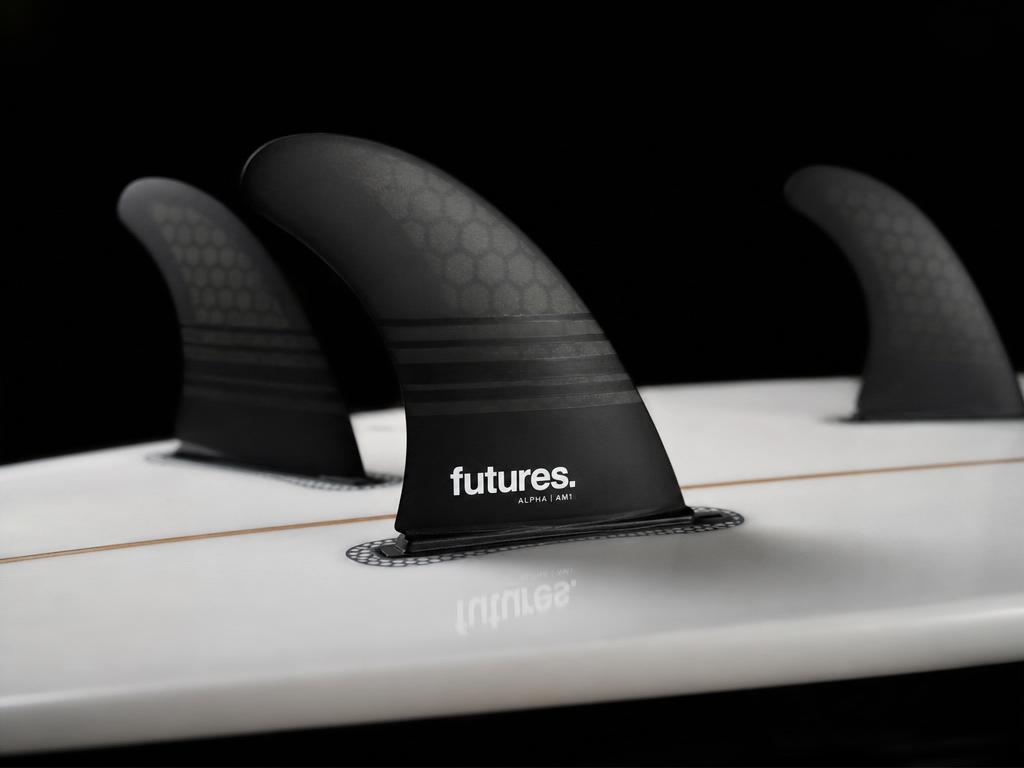
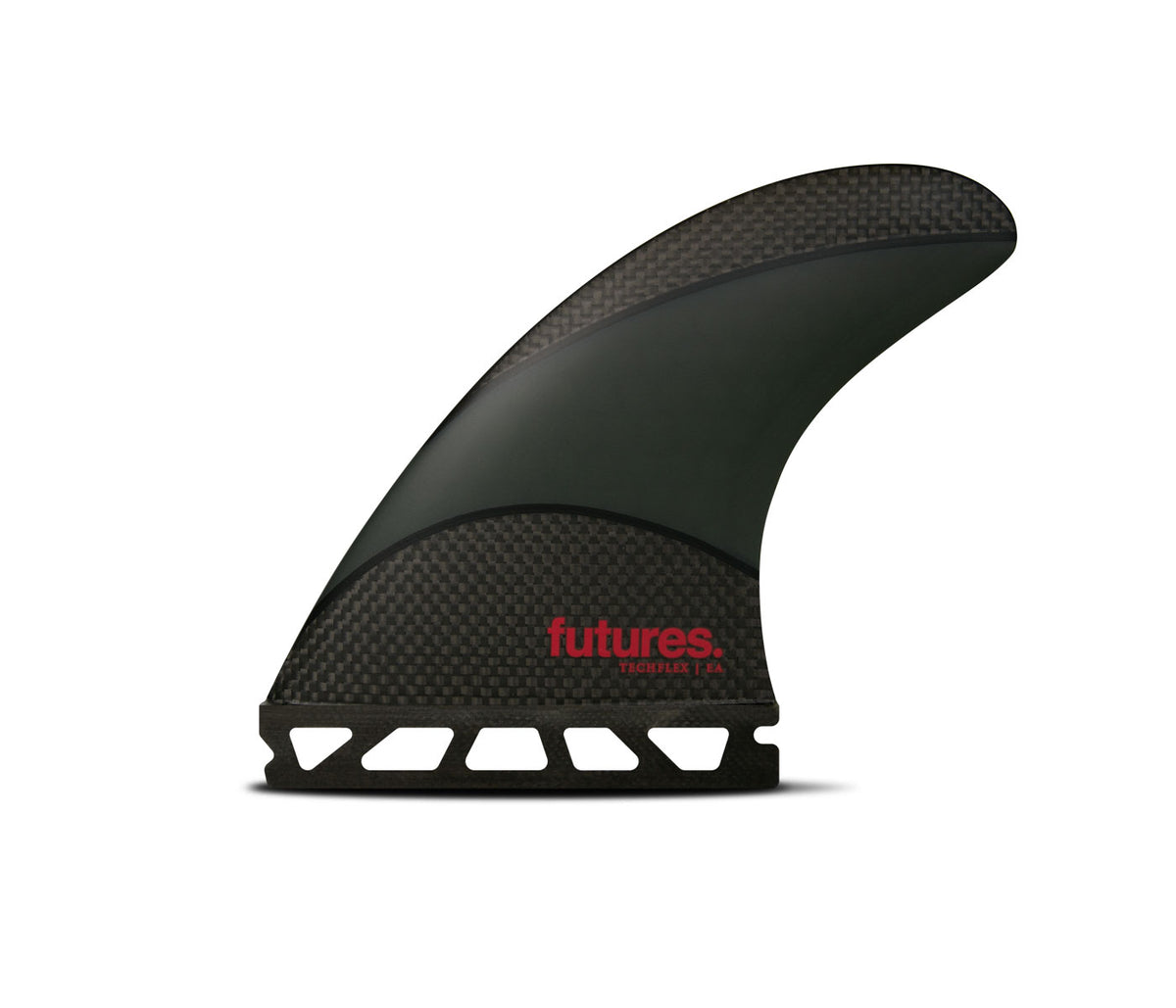
Futures Fins was founded by the Longo family in Huntington Beach, California in 1996 and is one of only two dominant fin systems in surfing (the other being FCS). Where FCS uses a single small tab per fin, Futures uses a longer keel-style base that sits deeper in the fin box — the connection is stiffer and more locked-in, which many pros prefer for hold and drive.
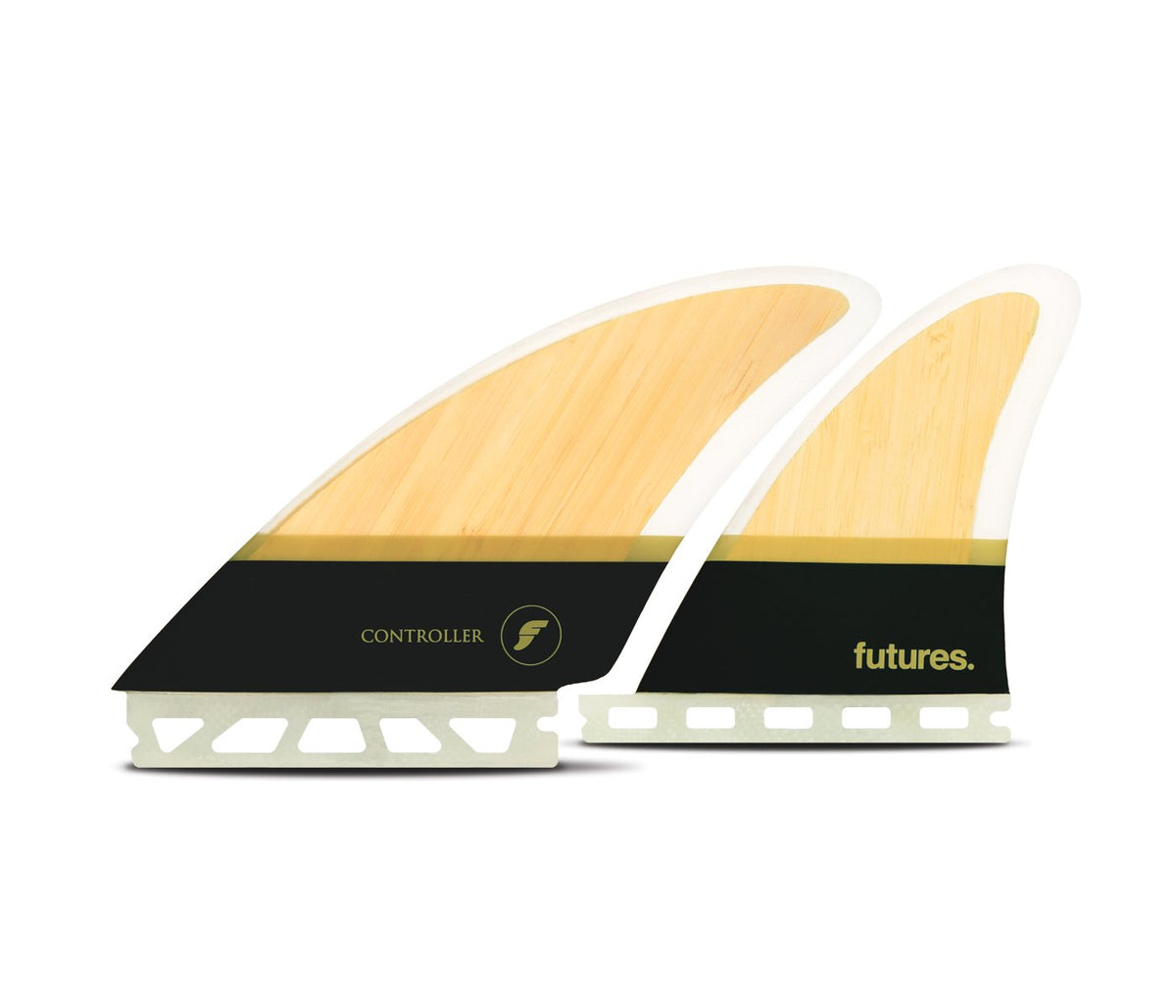
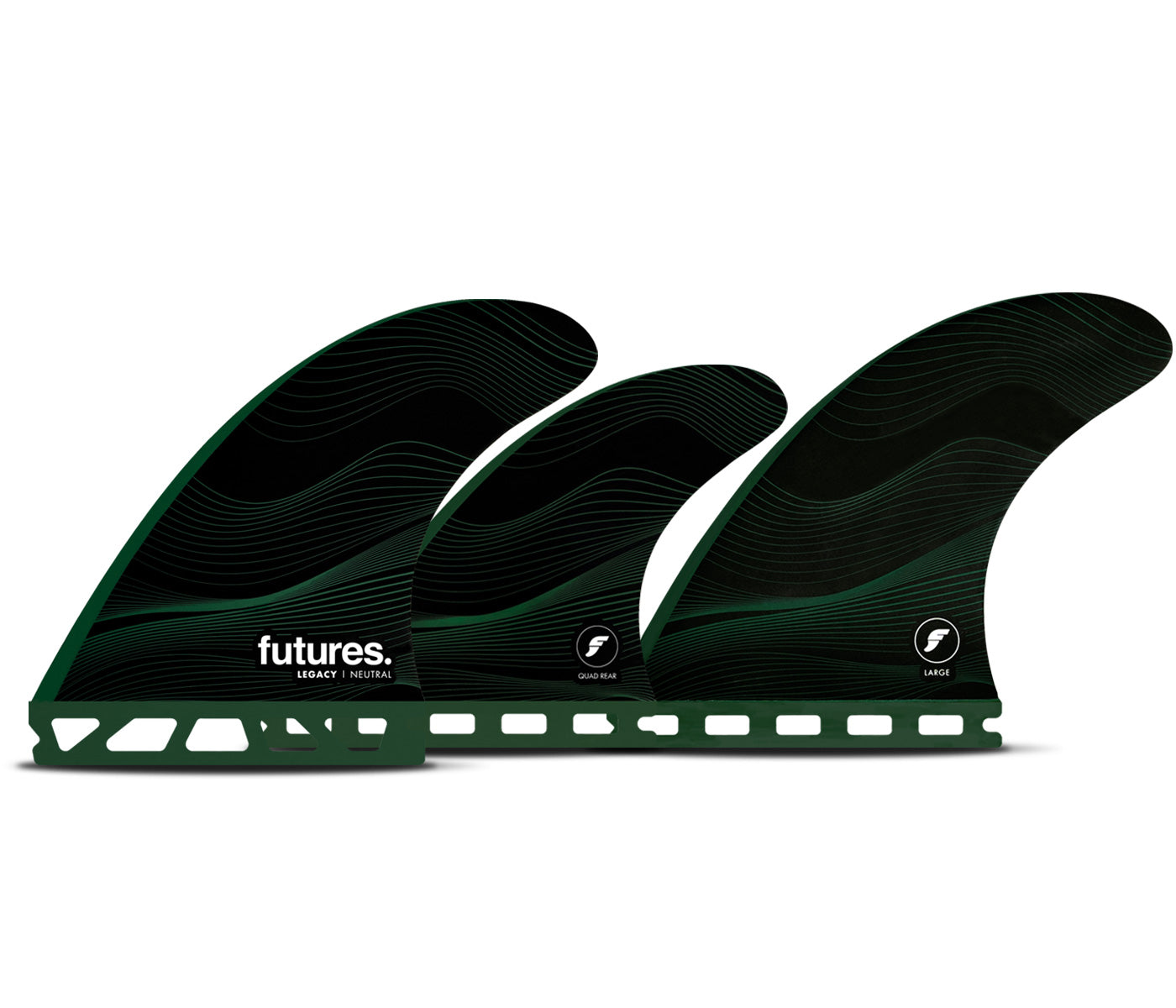
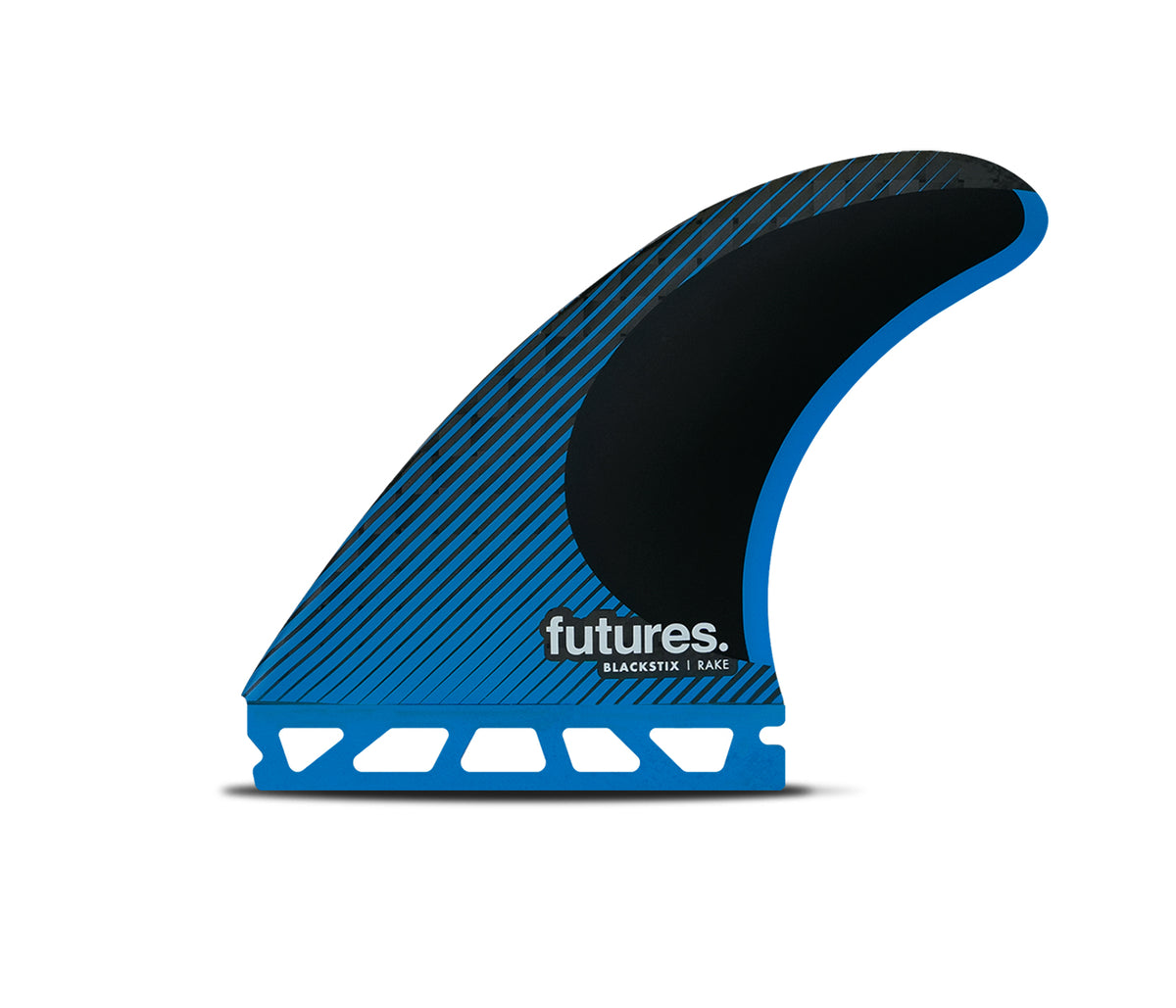
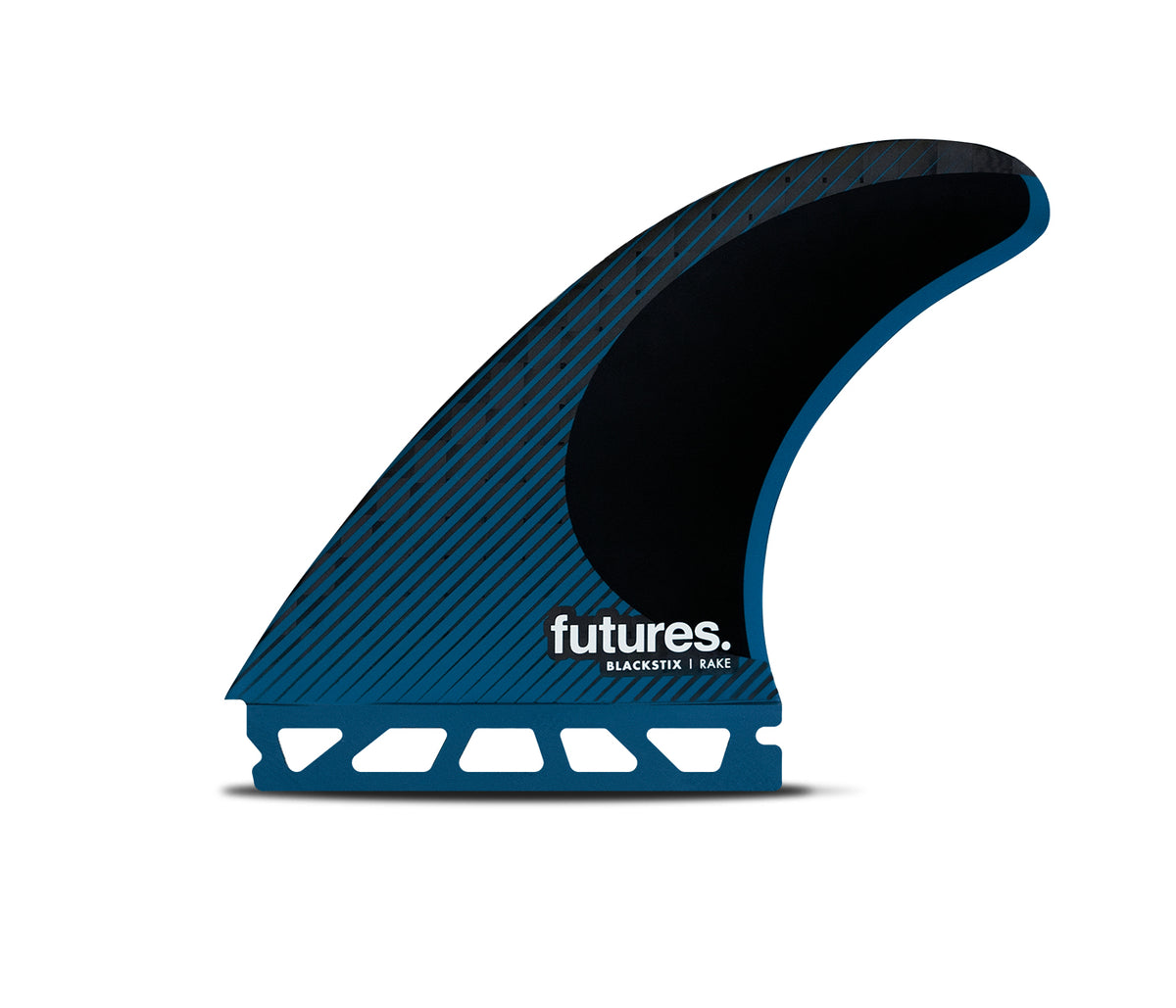
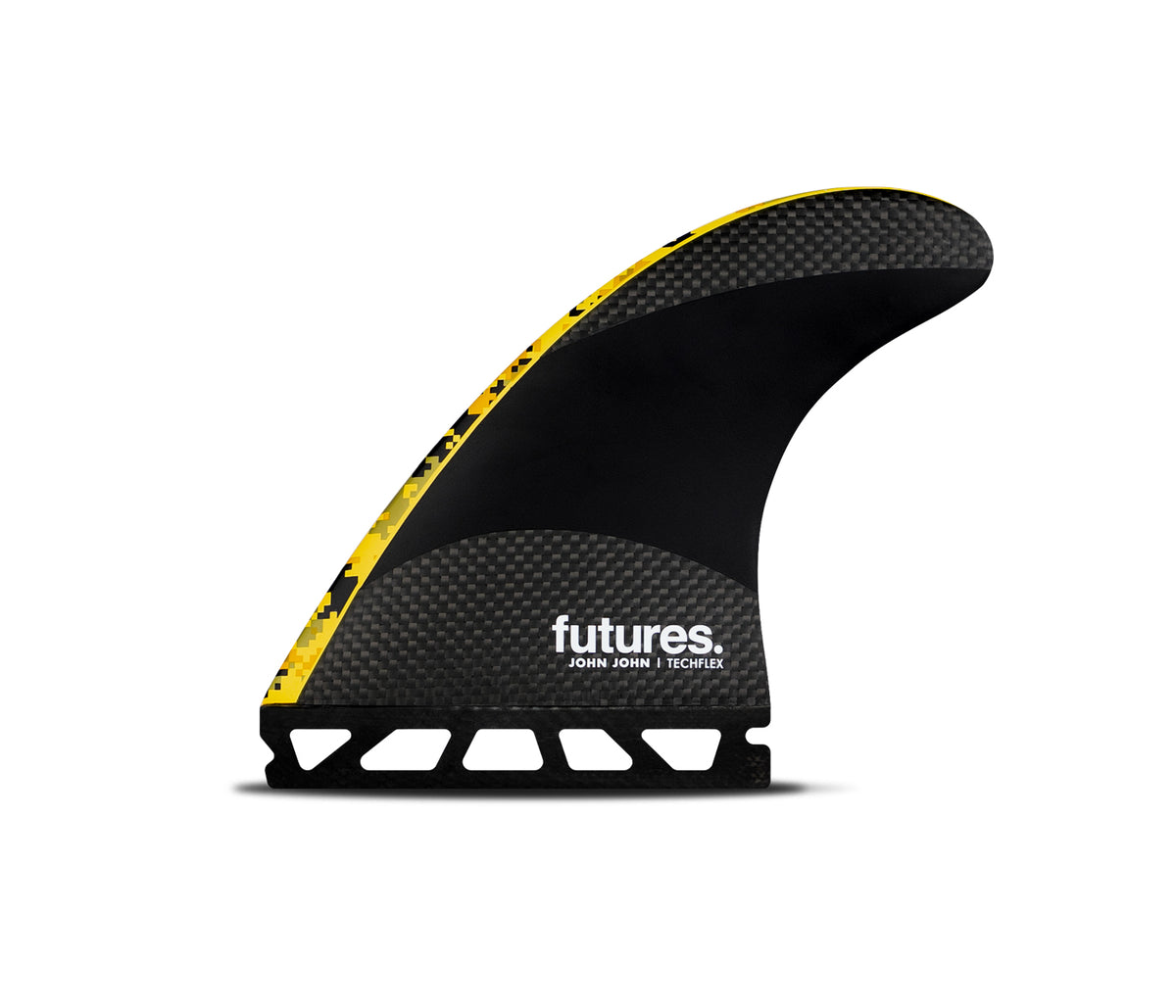
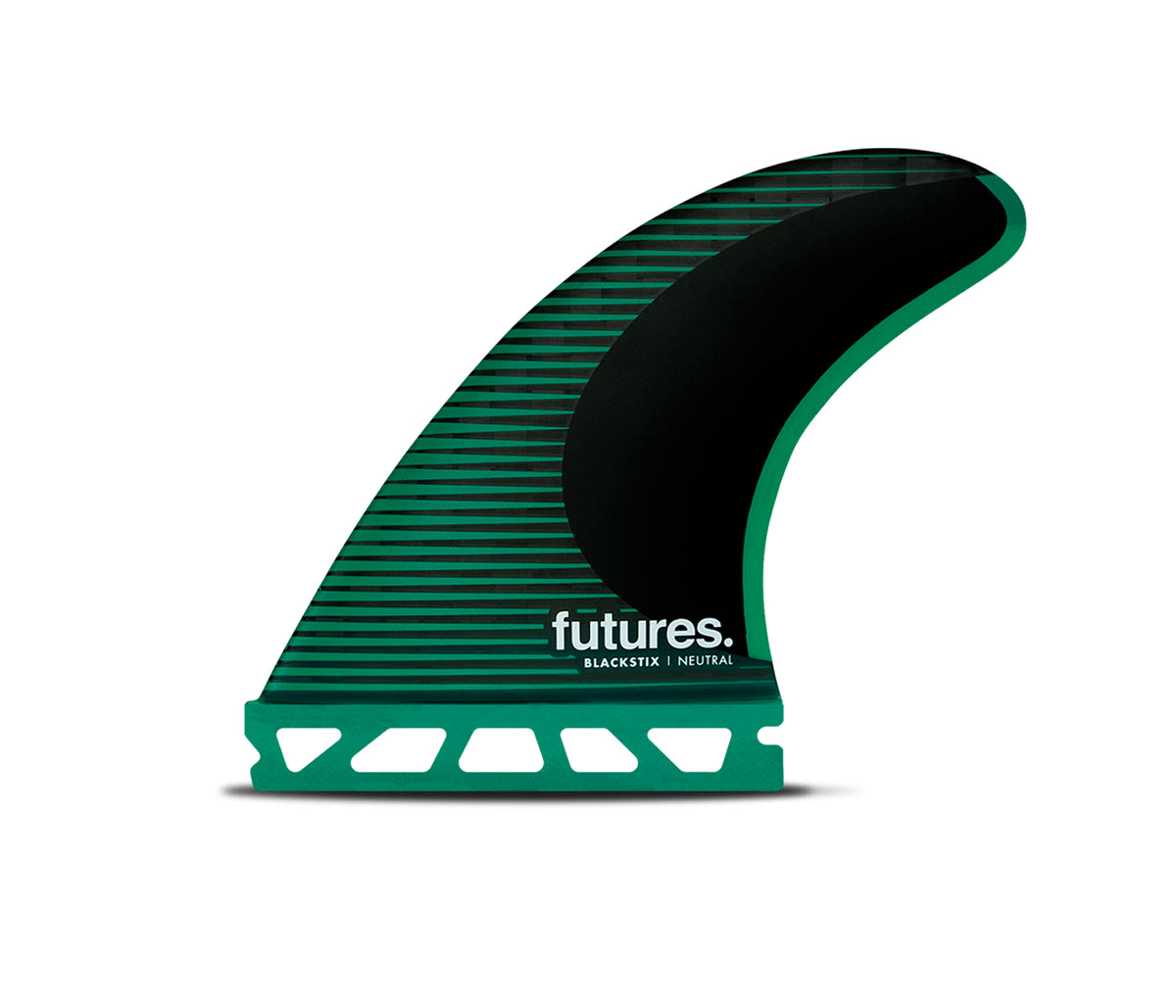
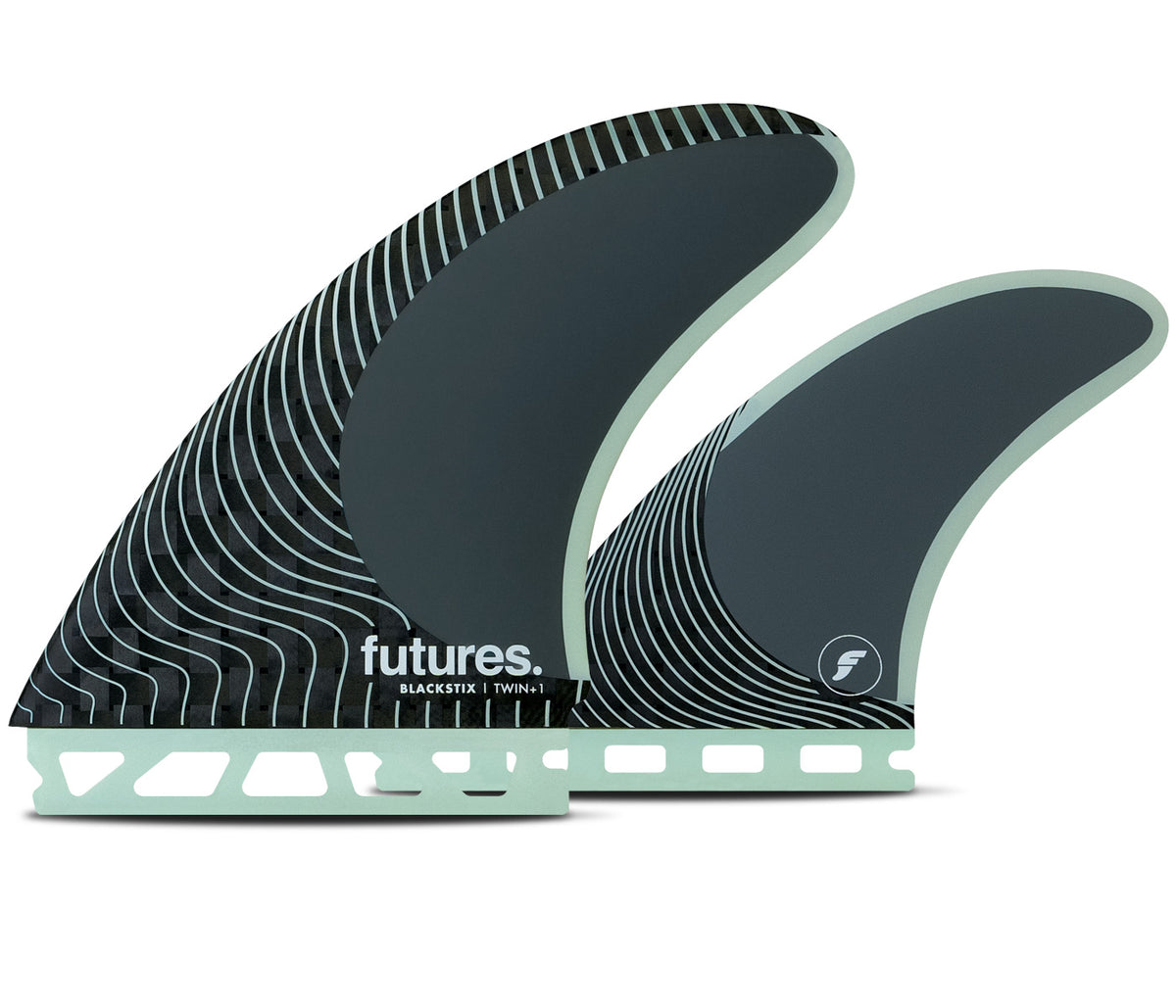
Futures's fin lineup covers every profile: F Series (F4–F8, mapped roughly to rider weight and wave power), Techflex and Blackstix carbon-composite templates for a livelier, springier ride, and a growing catalog of signature templates from John John Florence (JJ), Kolohe Andino, Rob Machado (Twin + 1), Jordy Smith (JS1) and Filipe Toledo. All Futures fins are manufactured in Huntington Beach.
Futures is also known for its own fin box (the FCB), which is standard on many high-end shapers' boards including Channel Islands (as an option), Pyzel and JS Industries. Fins and hardware are stocked at every major surf retailer worldwide — surffcs.com competitor pages, Boardcave, Cleanline Surf, Real Watersports and direct through futuresfins.com.
Popular Futures models

Sources we reference
Surfex is an aggregator — we do not test boards ourselves. These are the retailer, editorial and manufacturer pages we cross-check when writing about Futures. Numeric aggregate ratings are only shown once we've scraped a real customer-review widget on one of our product review pages.
Where to buy Futures
| Retailer | Notes | Visit |
|---|---|---|
| Futures Fins (direct) | Full fin range, hardware, made in Huntington Beach | Visit |
| Boardcave (US / global) | Ships worldwide, verified reviews | Visit |
| Cleanline Surf (Oregon) | Independent surf shop, deep Futures inventory | Visit |
| Real Watersports (North Carolina) | East coast Futures distributor | Visit |
| Surfride (Southern California) | Local shop, full Futures wall | Visit |
FAQ
Are Futures fins better than FCS II?
Neither is objectively better — they are two different systems with different feels. FCS II drops in and out toolless and has a slightly livelier feel. Futures uses a longer keel base, sits stiffer in the box, and is preferred by pros who want maximum hold and drive. You can't run Futures fins in an FCS II box (or vice versa) without conversion plugs, so your board's box system decides for you.
Which Futures fin should I buy first?
For a first upgrade the AM2 (Al Merrick) or JJ (John John Florence) are the most-recommended all-round shortboard sets. Pick AM2 for a broader all-round template, JJ for high-speed control.
What is Blackstix construction?
Blackstix is Futures's carbon-fiber composite construction — a foam core with a carbon skin and glass-fiber base. The result is a lighter, springier fin than solid fiberglass — many riders describe it as adding a snap and rebound to their turns.
Are Futures fins made in the USA?
Yes. All Futures fins are manufactured in Huntington Beach, California. Futures is one of the last major surf hardware brands still doing US-based production at scale.
How much do Futures fins cost?
Futures fin sets typically range from $85 (Alpha and entry-level composite) to $200 (Blackstix, JJ, signature carbon) in the US. Twin-fin and quad sets are similarly priced.